Frequently Asked Questions(FAQ) About Power Cables
What Is a Power Cable?
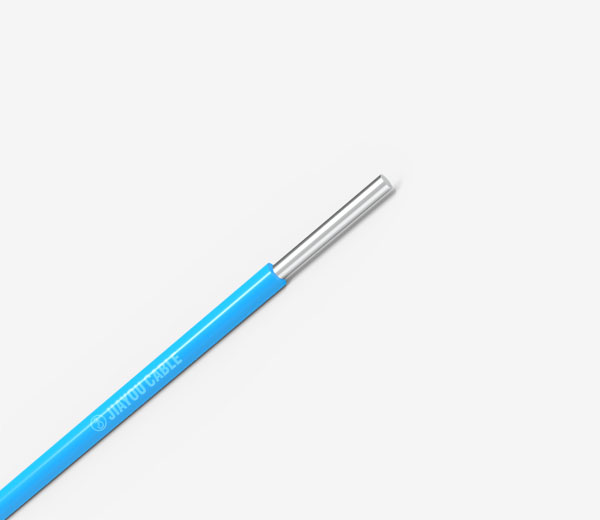
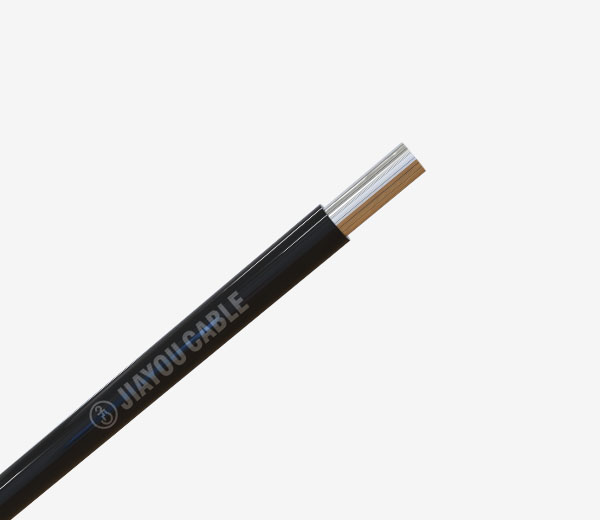
Power cables are designed for permanent use and can be installed overhead, exposed, or directly buried. Power cables consist of one or more sheathed conductors and are available in a variety of constructions, materials, and power ratings to suit different application requirements.
Where are power cables used?
Power cables are widely used in industrial and commercial power markets. You can find power cables in power supply systems, motor leads, signal systems, and more.
What are the most used power cables?
Category 5 Copper (Flexible) Power Cable: This cable is suitable for power transmission in various low-voltage industrial connections, urban power grids, and building installations. Power cables consist of a copper conductor, a protective insulation layer, and an outer sheath. These cables are easy to bend and route, making them suitable for use in confined spaces. They can be laid underground, in ducts, or outdoors without additional protection.
What does XLPE mean in cables?
XLPE stands for cross-linked polyethylene. It's an insulation material used in cables. The "cross-linking" process involves chemical bonding between polyethylene molecules, which enhances the material's properties. These cables are typically made by linking these molecules together in strands, creating the insulation we know as cable insulation.
What does PVC mean in cables?
PVC stands for polyvinyl chloride. It's a plastic commonly used for insulating electrical wires. PVC is favored for its durability, flexibility, and resistance to moisture, chemicals, and abrasion. It helps protect the conductors inside the cable from environmental factors and ensures safe electrical performance. Furthermore, PVC is relatively affordable, making it a popular choice for a variety of electrical applications.
What applications are XLPE cables best suited for?
XLPE cables, or cross-linked polyethylene cables, are ideal for a wide range of applications due to their excellent thermal, electrical, and mechanical properties. They are used in power distribution, industrial applications, renewable energy, and marine cables.
What are the characteristics of XLPE cable?
The most important features of XLPE cables are:
● Lightweight.
● High-temperature resistance.
● High load capacity.
● Corrosion resistance.
● Resistant to melting.
● Higher tensile strength.
● Longer service life.
● Greater impact resistance.
● Higher tensile strength.
● Excellent electrical performance.
What are the differences in operating temperature between XLPE cables and PVC cables?
XLPE cables can operate at a maximum temperature of 90°C and can withstand temperatures up to 250°C for short periods during short circuits. PVC (polyvinyl chloride) cables typically have a maximum continuous operating temperature of 70°C.
Are XLPE cables more expensive than PVC cables?
Yes, XLPE cables are generally more expensive than PVC cables. The higher cost of XLPE cables is due to their more complex manufacturing process and the use of higher-quality materials, which provide superior thermal and electrical performance. XLPE cables also offer advantages such as higher temperature ratings, greater resistance to environmental factors, and a longer service life, which in many applications can offset their higher initial investment.
{"height":"0","width":"0","background-color":"transparent","background-image":"none","background-position":"50% 50%","background-repeat":"no-repeat","background-gradient-top":"none","background-gradient-bottom":"none","background-scroll":"none","background-size":"auto","themeColorName":"","margin-top":"1","margin-left":"0","margin-right":"0","margin-bottom":"0"}